Snowberry (Symphoricarpos albus)

$24.95

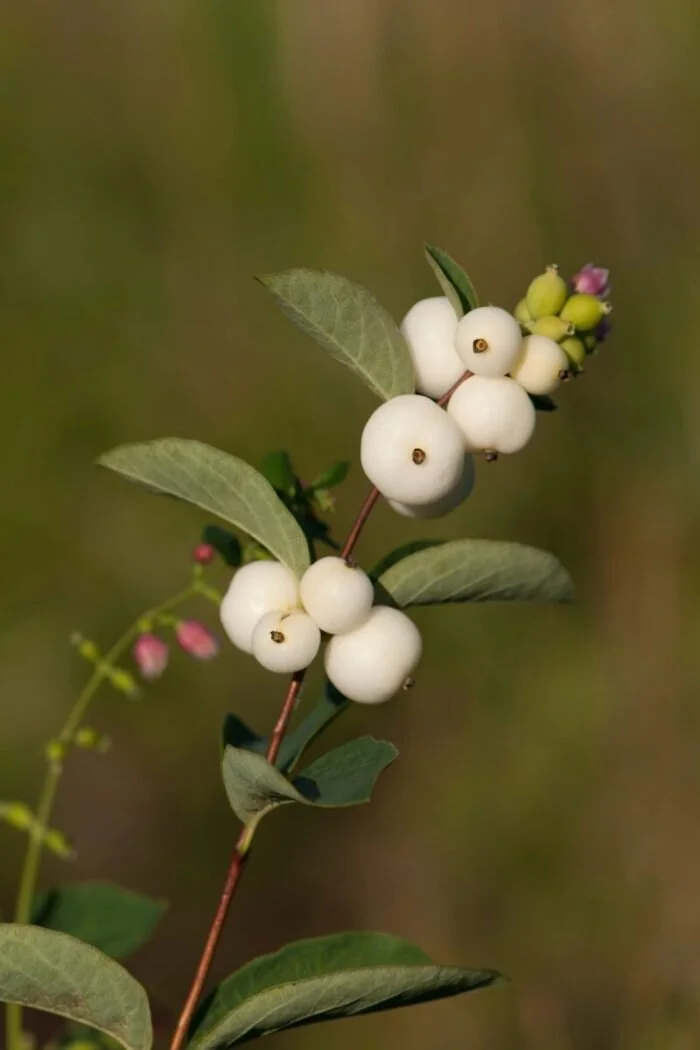
Often seen in rocky areas, fence rows, and riverbanks, but will grow almost anywhere (prefers limestone and clay). It can handle both dry and moist locations. Grows in both full sun and shade. (Sun will maximize fruit yields). Leaves are oval, 1-2 inches long, and autumn color is blueish green. Fruit is 1/4 – 5/8 inches in diameter, and completely white. Fruit holds throught the entire winter. Often used to control soil erosion. White or pink blossoms between twigs come out during June and July. White berries, from where the shrub gets its name, follow the flowers and turn brown as they age. Snowberry is a source of food and shelter for several species of songbirds and small mammals. Humans eating the snowberries may cause diarrhea and vomiting. Ruffed grouse, pheasant, robins, and grosbeaks are among the many birds attracted to the fruit.

This plant decription comes from Cold Stream Farm.

Often seen in rocky areas, fence rows, and riverbanks, but will grow almost anywhere (prefers limestone and clay). It can handle both dry and moist locations. Grows in both full sun and shade. (Sun will maximize fruit yields). Leaves are oval, 1-2 inches long, and autumn color is blueish green. Fruit is 1/4 – 5/8 inches in diameter, and completely white. Fruit holds throught the entire winter. Often used to control soil erosion. White or pink blossoms between twigs come out during June and July. White berries, from where the shrub gets its name, follow the flowers and turn brown as they age. Snowberry is a source of food and shelter for several species of songbirds and small mammals. Humans eating the snowberries may cause diarrhea and vomiting. Ruffed grouse, pheasant, robins, and grosbeaks are among the many birds attracted to the fruit.

This plant decription comes from Cold Stream Farm.

 Key Features

Light Requirement

  • Mostly SUn

Growing Zones

  • Zone 3

  • Zone 4

  • Zone 5

  • Zone 6

  • Zone 7

  • Zone 8

Bloom Time

  • Summer

Mature Height

  • 2 to 6 ft tall

Mature Spread

  • 2 to 6 ft wide

Ships As

  • Bare Root

Planting & Care

Open the package immediately, keep it protected from the cold, and water each potted plant. If the weather is consistently above freezing, begin planting as soon as possible.

Some of our plants will ship to you as bare roots. Proper care of bare-root plants involves keeping the roots moist until you are ready to plant and storing them in cool conditions if you cannot plant immediately. When ready, plant them carefully to ensure healthy establishment in your garden.

The Best Time to Plant

The best time of year for planting perennials is either in spring after the last frost or in early fall before the first frost, depending on your climate and USDA hardiness zone. If you are planting in summer, aim to plant in the morning or early evening to minimize transplant shock. Water consistently until your plants are established and consider mulching around the roots to reduce the soil temperature. With proper attention and care, perennials can thrive in the longer days of summer and become well established before their winter dormancy period.