Elderberry (Sambucus canadensis)

$24.95

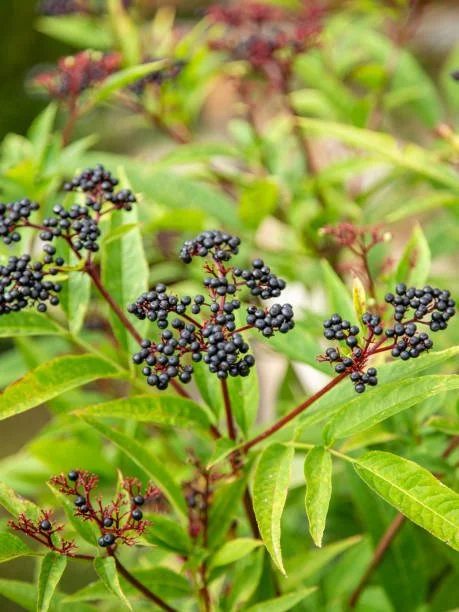
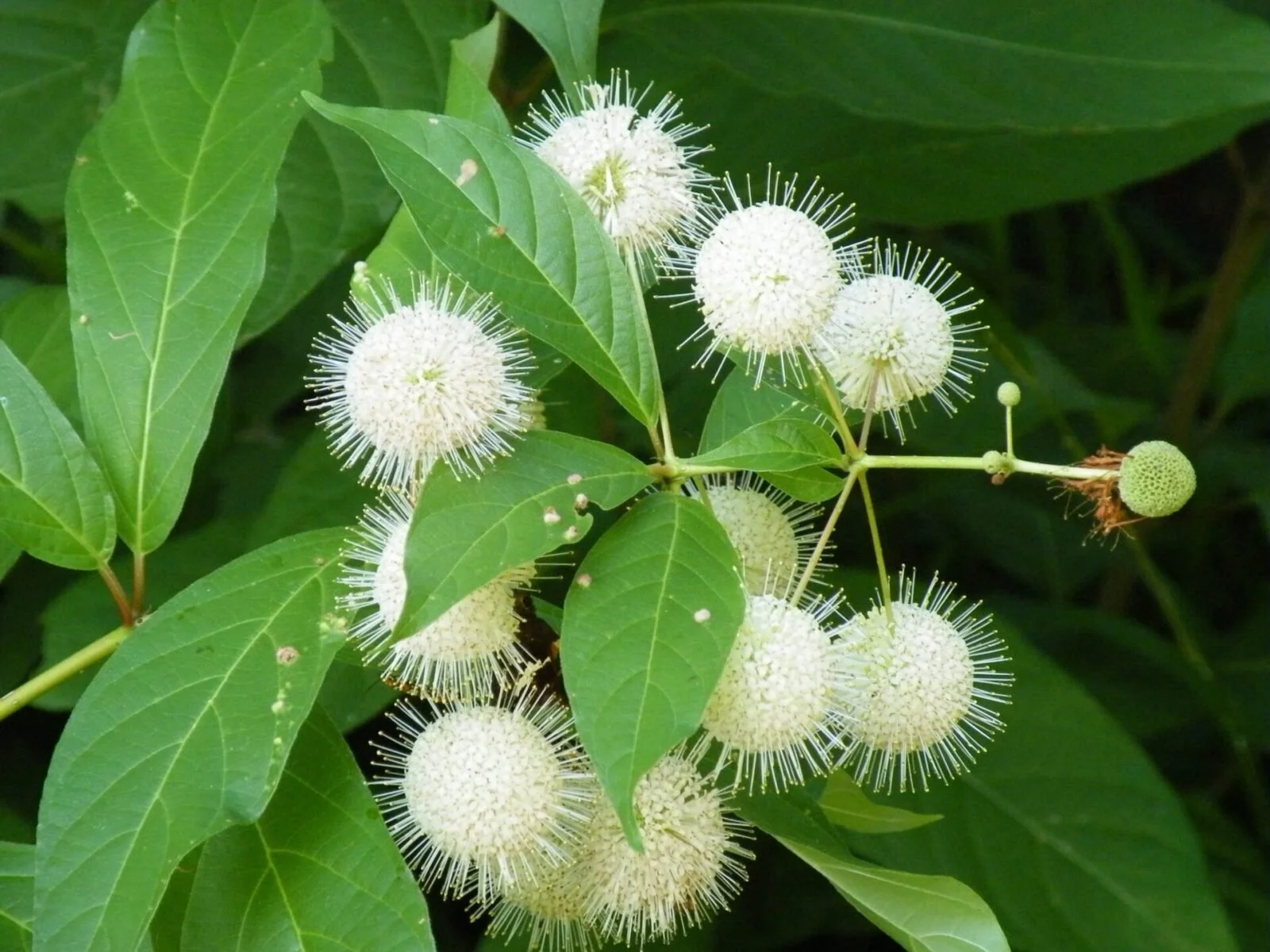
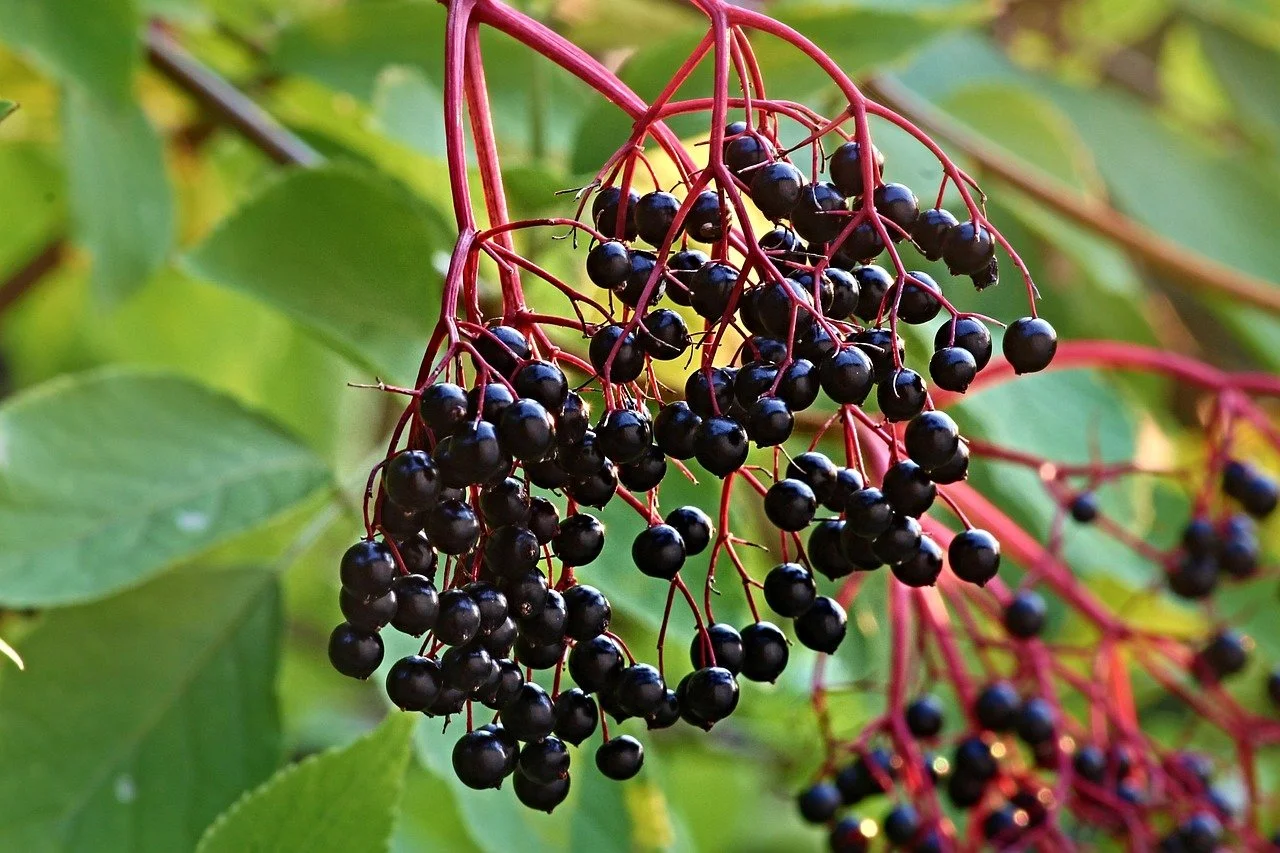
The Elderberry has oblong to oval leaves that turn greenish-yellow in the fall.  White, fragarant flowers which can be washed, shaken dry, stripped from stems and beaten into batters for pancakes, waffles and muffins. Berries are small, purple-black color, and have a pleasant taste. The berries ripen in late July through September. An easy way to improve the flavor of mature elderberries is to dry them in the sun or oven. Two year old shoots will produce fruit, which persists into early fall. Each berry contains from 3-5 seeds. These seeds are dispersed by birds and mammals ingesting them. The larger stems were once fashioned into arrows. Periodic pruning is recommended. Planting multiple shrubs for best results for fruiting.

This plant decription comes from Cold Stream Farm.

The Elderberry has oblong to oval leaves that turn greenish-yellow in the fall.  White, fragarant flowers which can be washed, shaken dry, stripped from stems and beaten into batters for pancakes, waffles and muffins. Berries are small, purple-black color, and have a pleasant taste. The berries ripen in late July through September. An easy way to improve the flavor of mature elderberries is to dry them in the sun or oven. Two year old shoots will produce fruit, which persists into early fall. Each berry contains from 3-5 seeds. These seeds are dispersed by birds and mammals ingesting them. The larger stems were once fashioned into arrows. Periodic pruning is recommended. Planting multiple shrubs for best results for fruiting.

This plant decription comes from Cold Stream Farm.

 Key Features

Light Requirement

  • Full Sun to Partial Shade

Growing Zones

  • Zone 4

  • Zone 5

  • Zone 6

  • Zone 7

  • Zone 8

  • Zone 9

Bloom Time

  • Late Spring to Early Summer

Mature Height

  • 5 to 12 ft tall

Mature Spread

  • 5 to 12 ft wide

Ships As

  • Bare Root

Planting & Care

Open the package immediately, keep it protected from the cold, and water each potted plant. If the weather is consistently above freezing, begin planting as soon as possible.

Some of our plants will ship to you as bare roots. Proper care of bare-root plants involves keeping the roots moist until you are ready to plant and storing them in cool conditions if you cannot plant immediately. When ready, plant them carefully to ensure healthy establishment in your garden.

The Best Time to Plant

The best time of year for planting perennials is either in spring after the last frost or in early fall before the first frost, depending on your climate and USDA hardiness zone. If you are planting in summer, aim to plant in the morning or early evening to minimize transplant shock. Water consistently until your plants are established and consider mulching around the roots to reduce the soil temperature. With proper attention and care, perennials can thrive in the longer days of summer and become well established before their winter dormancy period.