Black Chokeberry (Aronia melanocarpa)

$24.95

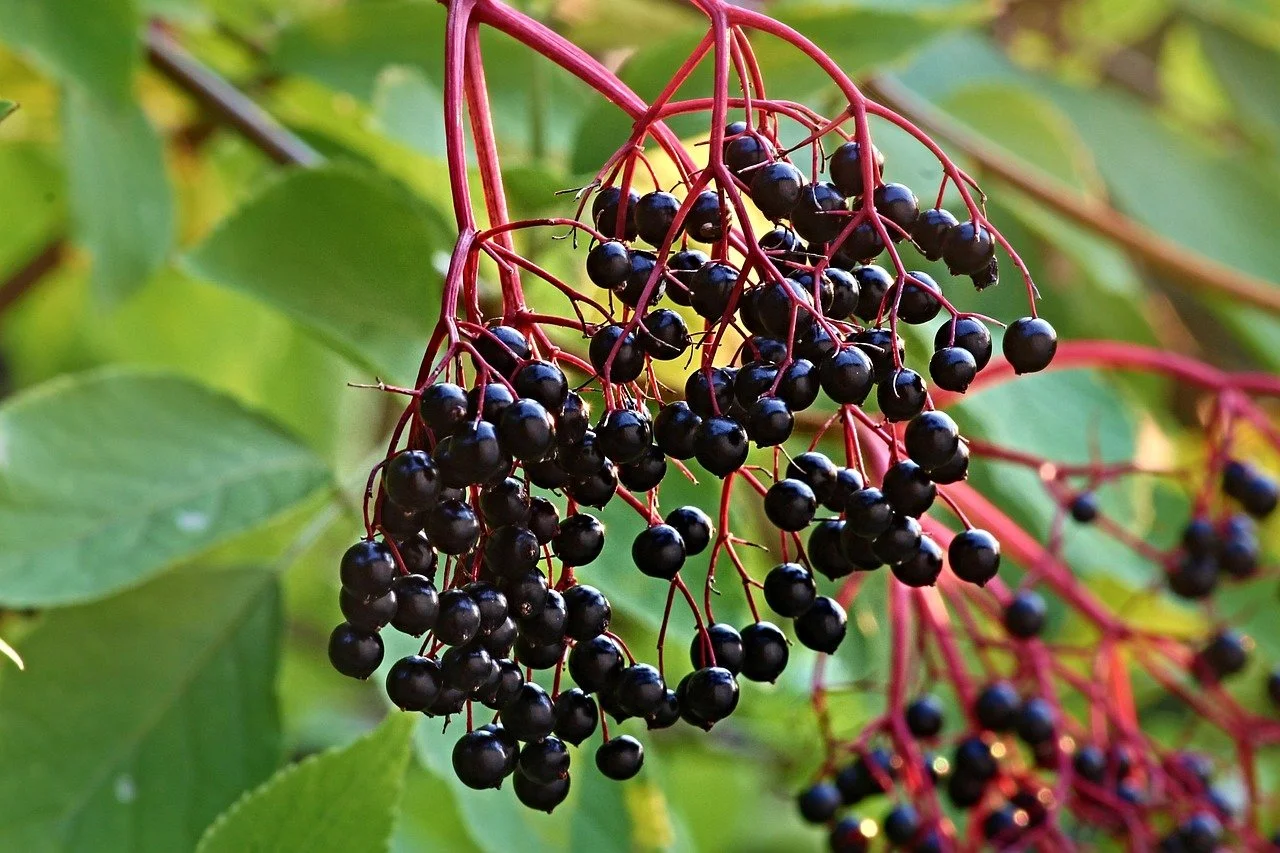
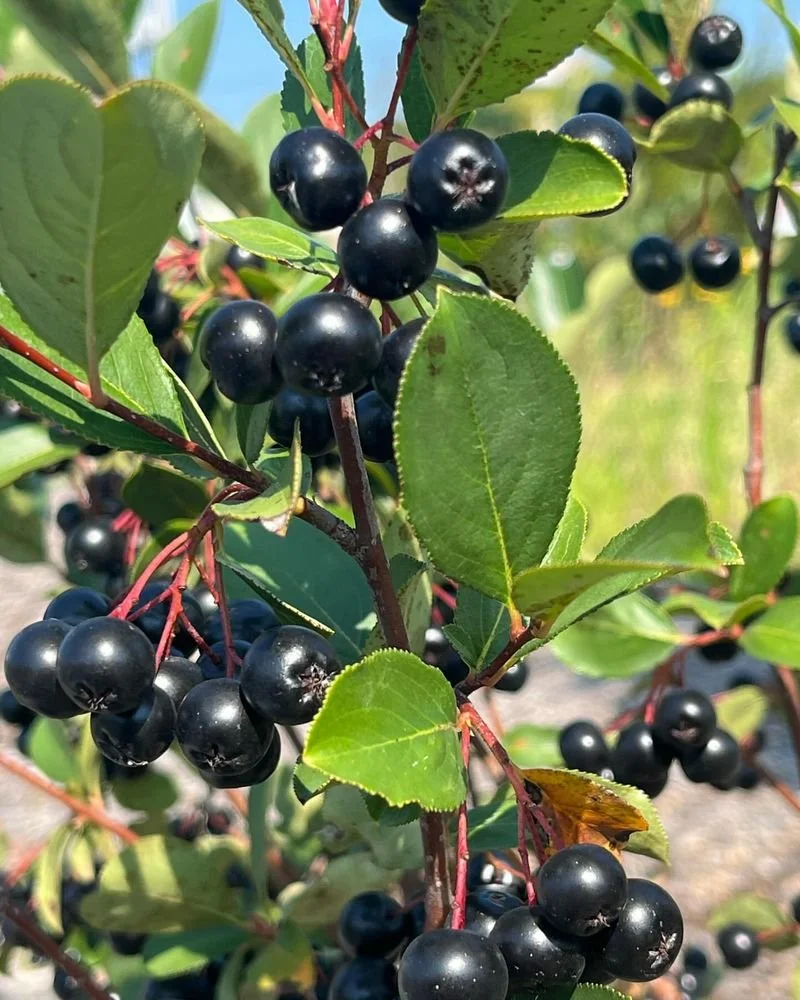
Grows commonly in wet areas, but can tolerate dry soils. Chokeberries are native to the United States, especially in the Northeast. Chokeberries grow well in full sunlight, but are moderately tolerant of light shade. They prefer moist well drained soils. They are tolerant to drought, soil compaction, and salt. Very ornamental due to its flowery blossoms and colorful fruit. Elliptical, fine toothed leaves 2 to 5 inches long. Turns rich red and orange in autumn. Holds its fruit into winter. Spreads readily by suckering. Edible fruit. Chokeberries can be canned and make healthy fruit drinks. The fruit and buds are a favorite food of the ruffed grouse. The fruit is also prised by turkey, bobwhite, pheasant, cedar waxwing, and many others.

Photo credit: Positive Bloom

This plant description comes from Cold Stream Farm.

Grows commonly in wet areas, but can tolerate dry soils. Chokeberries are native to the United States, especially in the Northeast. Chokeberries grow well in full sunlight, but are moderately tolerant of light shade. They prefer moist well drained soils. They are tolerant to drought, soil compaction, and salt. Very ornamental due to its flowery blossoms and colorful fruit. Elliptical, fine toothed leaves 2 to 5 inches long. Turns rich red and orange in autumn. Holds its fruit into winter. Spreads readily by suckering. Edible fruit. Chokeberries can be canned and make healthy fruit drinks. The fruit and buds are a favorite food of the ruffed grouse. The fruit is also prised by turkey, bobwhite, pheasant, cedar waxwing, and many others.

Photo credit: Positive Bloom

This plant description comes from Cold Stream Farm.

 Key Features

Light Requirement

  • Full Sun to Partial Shade

Growing Zones

  • Zone 4

  • Zone 5

  • Zone 6

  • Zone 7

  • Zone 8

  • Zone 9

Bloom Time

  • Late Spring to Early Summer

Mature Height

  • 8 ft tall

Mature Spread

  • 3 to 4 ft wide

Ships As

  • Bare Root

Planting & Care

Open the package immediately, keep it protected from the cold, and water each potted plant. If the weather is consistently above freezing, begin planting as soon as possible.

Some of our plants will ship to you as bare roots. Proper care of bare-root plants involves keeping the roots moist until you are ready to plant and storing them in cool conditions if you cannot plant immediately. When ready, plant them carefully to ensure healthy establishment in your garden.

The Best Time to Plant

The best time of year for planting perennials is either in spring after the last frost or in early fall before the first frost, depending on your climate and USDA hardiness zone. If you are planting in summer, aim to plant in the morning or early evening to minimize transplant shock. Water consistently until your plants are established and consider mulching around the roots to reduce the soil temperature. With proper attention and care, perennials can thrive in the longer days of summer and become well established before their winter dormancy period.