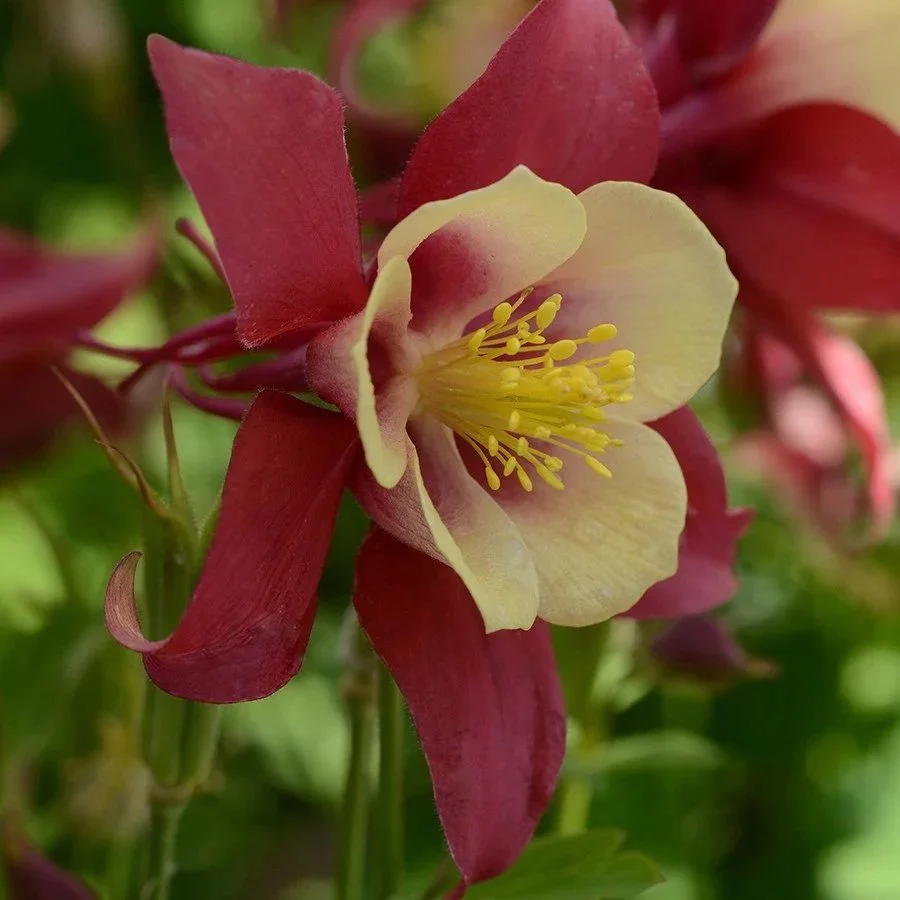
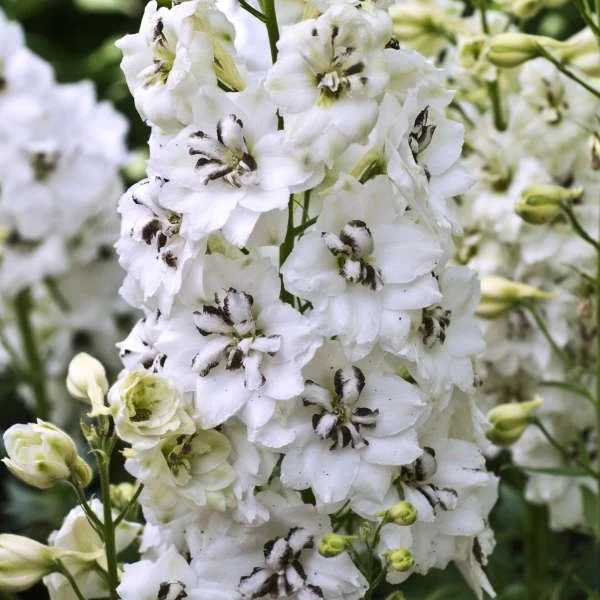
 Image 1 of 1
Key Features

Light Requirement
Mostly Sun
Growing Zones
Zone 3
Zone 4
Zone 5
Zone 6
Zone 7
Bloom Time
Early Summer to early Fall
Mature Height
3 to 5 ft tall
Mature Spread
1.5 to 2 ft wide
Ships As
Potted Plant
Planting & Care
Open the package immediately, keep it protected from the cold, and water each potted plant. If the weather is consistently above freezing, begin planting as soon as possible.
Some of our plants will ship to you as bare roots. Proper care of bare-root plants involves keeping the roots moist until you are ready to plant and storing them in cool conditions if you cannot plant immediately. When ready, plant them carefully to ensure healthy establishment in your garden.
The Best Time to Plant
The best time of year for planting perennials is either in spring after the last frost or in early fall before the first frost, depending on your climate and USDA hardiness zone. If you are planting in summer, aim to plant in the morning or early evening to minimize transplant shock. Water consistently until your plants are established and consider mulching around the roots to reduce the soil temperature. With proper attention and care, perennials can thrive in the longer days of summer and become well established before their winter dormancy period.